The solar industry in Europe
Are You Looking For More Efficient Solar Panels For A Weekend Camping Trip Or Living Off The Grid In A Natural Landscape For An Extended Period Of Time?
In This Article, We’ll Take An In-Depth Look At N-Type TOPCon Solar Panels And Help You Determine If They’re Right For Your Needs.
TOPCon Has Become A Common Name In The Solar Industry. It Stands For Tunnel Oxide Passivation Contacts And Utilizes A Complex Design That Reduces Power Loss And Increases Efficiency.
This Technology Significantly Reduces Electron Compounding, Which Is A Fancy Way Of Saying That TOPCon Solar Cells Make Panels More Efficient And Better Able To Handle High Temperatures.
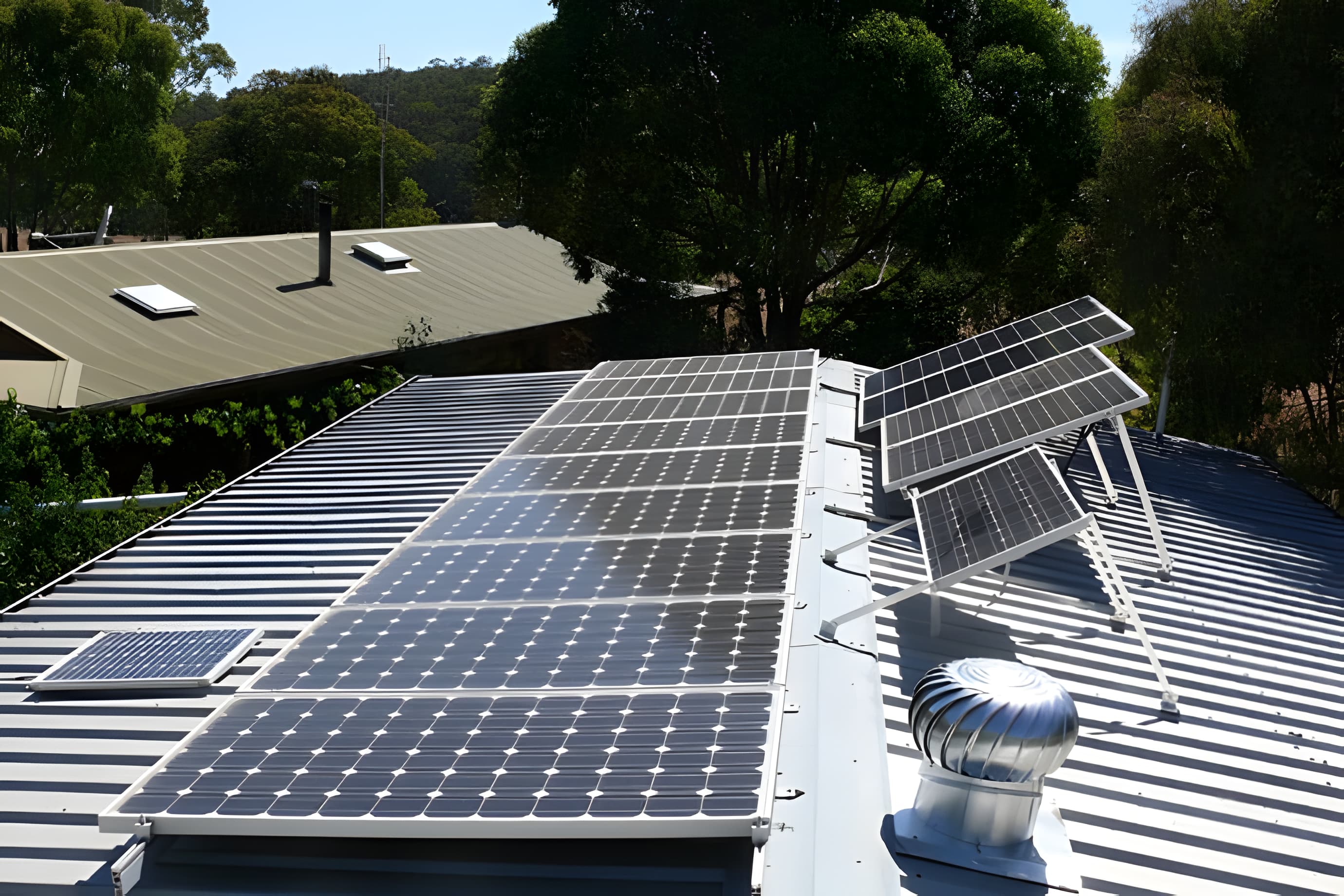
When Exploring The Technical World Of Solar Panels, One Of The Most Basic Differences Between N-Type And P-Type Is The Type Of Silicon Used In The Cells. The Terms “N” And “P” Refer To The Type Of Doping Each Type Of Silicon Undergoes, Which Ultimately Affects The Behavior Of The Electrons Within The Solar Cell.
In Contrast, N-Type Silicon Is Doped With Phosphorus, Which Adds Extra Electrons And Creates A Negative Charge. This Negative Doping Method Offers Several Key Advantages: Reduced Photodegradation: N-Type Panels Are Less Affected By Photodegradation Than P-Type Panels. This Is Because N-Type Silicon Does Not Involve The Boron-Oxygen Pairing That Leads To BO-LID, Ensuring That The Panel Maintains A Higher Level Of Performance Over A Longer Period Of Time. Higher Efficiency: N-Type Silicon Inherently Has A Higher Carrier Mobility, Which Means That Electrons Can Move More Freely Through The Silicon. This Results In Better Conductivity, Which Improves Overall Efficiency. Less Sensitive To Impurities: N-Type Silicon Is Less Sensitive To Impurities, Which Can Further Degrade The Performance Of Solar Panels. This Characteristic Makes N-Type Topcon Solar Panels Particularly Suitable For Harsh Environments Where Reliability Is Critical.
Related Article